
Aerospace-Grade Aluminum CNC Machining for Prototypes and Production
Precision Aluminum CNC Machining Solutions
Fast Quotes for Custom Aluminum CNC Parts
Experience fast and reliable aluminum CNC machining with Xstar’s advanced online manufacturing platform. Instantly receive competitive pricing on custom aluminum machined parts, whether you need rapid prototypes or full-scale production runs.Our facilities are ISO 9001:2015, ISO 13485, and AS9100D certified, as well as ITAR registered for high-security projects.
Click here to get your Aluminum CNC Machining instant quote today.
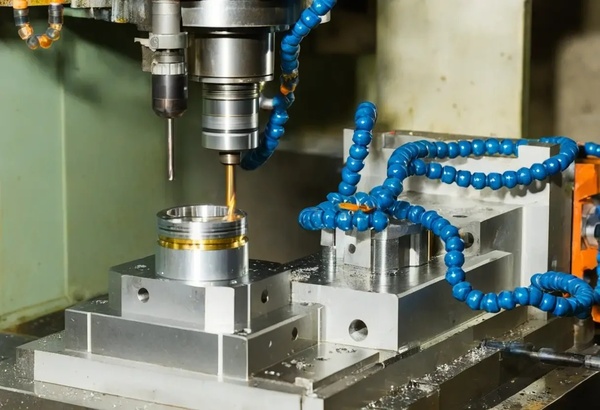
Why Choose Aluminum for CNC Machining?
Aluminum remains one of the most widely used metals for CNC manufacturing due to its exceptional strength-to-weight ratio, corrosion resistance, and versatility. Its multiple alloy options, each categorized by specific alloying elements, allow engineers to select the best grade for aerospace, automotive, medical, industrial, and high-performance applications.
Leverage Xstar aluminum CNC machining services through our Instant Quoting Engine for fast lead times and outstanding precision.
Aluminum 2024-T3
Aluminum 2024-T3 is known for excellent fatigue resistance and high machinability, although it offers poor weldability and limited corrosion resistance without additional finishing. It is commonly used for aircraft structures, bolts, pistons, and fittings.
Key Properties:
Yield Strength: 345 MPa
Fatigue Strength: 138 MPa
Elongation: 18%
Hardness: 120 HB
Density: 2.78 g/cm³
Aluminum 5052-H32
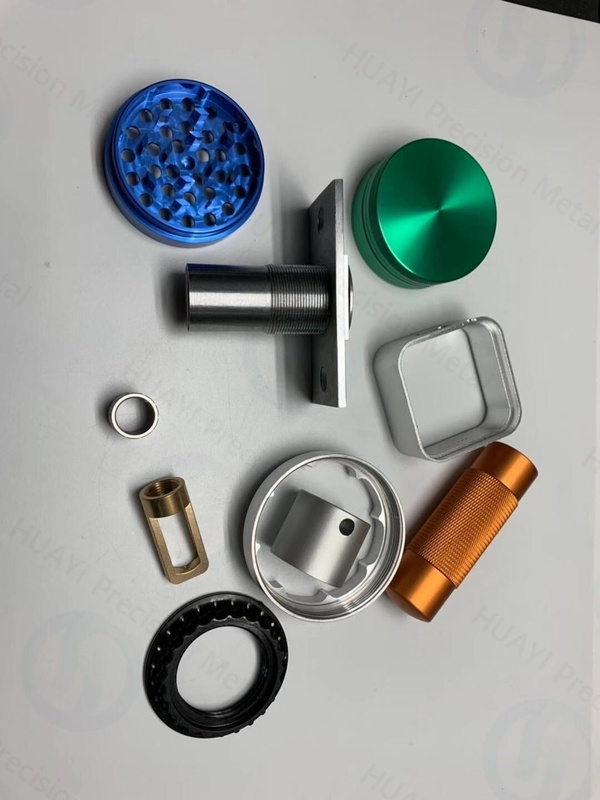
This magnesium-based alloy provides outstanding corrosion resistance and is widely used in fuel tanks, welded components, sheet metal structures, and fluid system parts. It cannot be heat-treated but remains easy to form and machine.
Key Properties:
Yield Strength: 193 MPa
Fatigue Strength: 117 MPa
Elongation: 12%
Hardness: 60 HB
Density: 2.68 g/cm³
Aluminum 6061
Aluminum 6061 is a highly versatile alloy with excellent machinability, strong corrosion resistance, and good weldability. Magnesium and silicon serve as its primary alloying elements. It is commonly used for brake pistons, electrical components, recreational equipment, and bicycle frames.
Key Properties:
Yield Strength: 276 MPa
Fatigue Strength: 96.5 MPa
Elongation: 17%
Hardness: 95 HB
Density: 2.7 g/cm³
Aluminum 6063
Often compared to 6061, aluminum 6063 offers better formability but lower overall strength. These properties make it ideal for extrusions, railings, architectural components, and structural tubing.
Key Properties:
Yield Strength: 214 MPa
Fatigue Strength: 68.9 MPa
Elongation: 12%
Hardness: 73 HB
Density: 2.7 g/cm³
Aluminum 7050
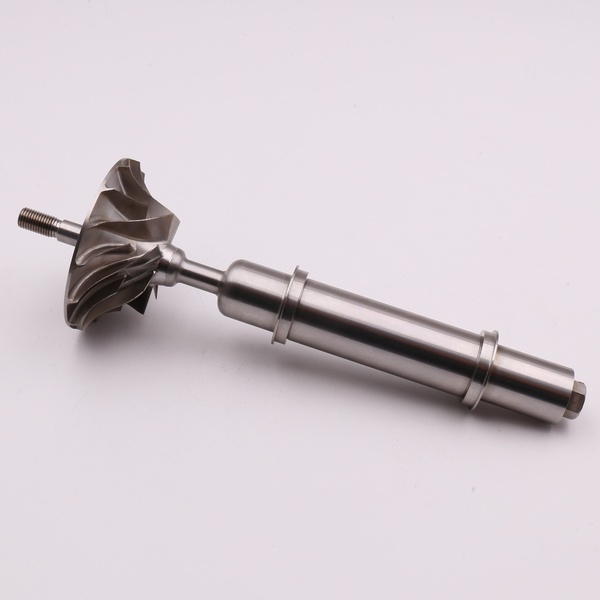
Aluminum 7050 is among the strongest aerospace-grade aluminum alloys, featuring zinc as its primary alloying element. It offers exceptional strength and machinability, although its corrosion resistance is lower due to copper content. It is widely used in high-load aircraft structures.
Key Properties:
Yield Strength: 490 MPa
Fatigue Strength: 160 MPa
Elongation: 11%
Hardness: 147 HB
Density: 2.83 g/cm³
Aluminum 7075
Renowned for superior fatigue resistance and high strength, aluminum 7075 features zinc as a primary alloying element and is used in gears, aircraft fittings, meter shafts, and high-load mechanical components.
Key Properties:
Yield Strength: 503 MPa
Fatigue Strength: 159 MPa
Elongation: 11%
Hardness: 150 HB
Density: 2.81 g/cm³
Aluminum MIC-6
Specifically cast for precision applications, Aluminum MIC-6 provides excellent dimensional stability due to its uniform, stress-free internal structure. This makes it ideal for jigs, fixtures, test plates, and high-accuracy assemblies.
Key Properties:
Yield Strength: 105 MPa
Fatigue Strength: N/A
Elongation: 3%
Hardness: 65 HB
Density: 2.7 g/cm³
Surface Treatment and Post-Processing Options
Xstar provides a full range of finishing solutions for aluminum CNC parts. Popular options include:
-
Anodizing (Type II and Type III) for wear and corrosion protection
-
Chemical conversion coating
-
Metal plating for improved durability and appearance
These finishing methods enhance machinability, product lifespan, and aesthetic performance.
Cost-Saving Tips for Aluminum CNC Machining
To reduce manufacturing costs:
-
Follow design-for-manufacturing best practices to minimize overly complex features that increase machining time.
-
Select the most cost-appropriate alloy—prototype parts often do not require the highest-grade material.
For further guidance, consult Xstar engineers for manufacturing optimization.
We are a manufacturing-and-trading integrated company specializing in CNC machining services, primarily focused on contract CNC manufacturing and the production of custom metal components. Our capabilities include CNC machining aluminum profiles, CNC machining stainless steel, CNC machining magnesium alloys, CNC machining acrylic, CNC machining ABS, and CNC machining plastic materials for a wide range of applications.
We support precision machining for multiple industries, including robotics machining, aerospace component machining, automotive component machining, and medical component machining, covering most precision CNC parts required in robotics, aviation, marine systems, automotive engineering, medical devices, and industrial equipment.
Our CNC machining solutions feature high accuracy, fast efficiency, stable quality, and excellent compatibility with various raw materials. We provide an extensive list of surface finishes, such as sandblasting, hard anodizing, micro-arc oxidation, grinding, polishing, painting, black oxide, electroplating, vacuum deposition, electroless plating, phosphating, passivation, silk printing, and texture etching.
As an Aluminum CNC Machining manufacturer, we offer small-batch and mass CNC production. If you need competitive Aluminum CNC Machining pricing, or want reliable Aluminum CNC Machining services, feel free to contact us anytime.
Some content in this article is sourced from the internet. If there is any inappropriate content, please contact us for handling.
