
Medical CNC Machining as the Foundation of Advanced Healthcare Manufacturing
In the age of healthcare innovation, medical CNC machining has become a foundational technology enabling the creation of highly complex and indispensable devices. At Xstar, we recognise that precision, repeatability and regulatory compliance are not optional—they are mandatory in the world of medical manufacturing. Whether you are developing a next-generation implant or a minimally invasive surgical instrument, engaging with medical precision machining is essential to meeting patient safety, performance and regulatory expectations.
Understanding what is a CNC in the medical field
So, what exactly is a CNC in the medical field? In simple terms, CNC (computer numerical control) refers to the use of programmed machine tools that follow digital commands to shape, mill, turn or otherwise manipulate material into a desired form. In a medical context, this means the device manufacturer uses CNC machines to produce components that must fit with anatomical precision, resist corrosion, and meet sterilisation requirements. At Xstar, our team ensures these CNC-driven operations operate under controlled conditions, with traceability from blueprint to finished part.
The Role of medical device CNC machining in Product Development
When launching a new medical device, whether it be an orthopaedic implant, an endoscopic tool or a diagnostic instrument, the role of medical device CNC machining is central. With CNC machines, we can efficiently produce prototypes, bridge production and full‐scale runs. Facilities like Xstar support this by offering high‐tolerance machining, material certifications and secondary operations such as surface finishing and sterilisation‐ready preparation.The advantage is clear: being able to iterate designs quickly, validate them under clinical conditions and then scale reliably.
Why CNC medical manufacturing demands special care
CNC medical manufacturing differs significantly from generic manufacturing. Because healthcare parts often interact with the human body, there is no tolerance—both literally and figuratively—for error. The process must deliver consistent results, maintain material integrity, and ensure biocompatibility. As one article puts it: “CNC machining for medical purposes differs primarily in its exceptional precision requirements, biocompatible material selection, strict regulatory compliance…” At Xstar, we build our machine programs, quality systems and inspection protocols with this in mind—only then can we guarantee repeatability that aligns with ISO 13485 or FDA standards.

Exploring CNC machining medical parts: Precision in Practice
In the realm of CNC machining medical parts, examples abound: bone screws, spinal implants, dental abutments, handheld surgical tools and micro-fluidic device housings. For instance, some bone screws measure just a millimetre in one direction, have alarmingly tight tolerances, and require flawless finishes—only achievable through advanced CNC machining. At Xstar, these parts are machined under strict conditions, with pre-qualified materials (e.g., titanium, stainless steel, high-performance plastics) and finishing processes that support sterilisation and long-term use.
Engineering CNC machining medical components for Complex Geometries
When you move to CNC machining medical components, the complexity increases: components might include multi-axis interfaces, internal channels, or require simultaneous milling and turning operations. Technologies such as Swiss-type lathes, 5-axis milling and live-tooling on lathe machines are critical to achieve the required geometry and finish. Xstar invests in advanced machines and software so that components meet dimensional, material and surface-finish specifications—even on the 10000th part.
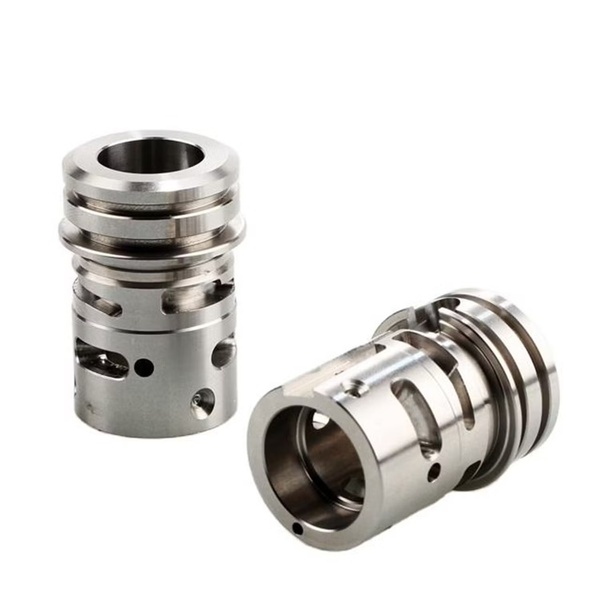
A Few CNC machining examples in the Medical Sector
Various CNC machining examples highlight how the technology is applied:
-
Implants: hip and knee replacements machined from titanium alloys, customised to patient anatomy.
-
Endoscopic tools: extremely small and intricate features machined to allow navigation through tiny incisions.
-
Electronic medical equipment housings: accurate enclosures, mounts and connectors produced via CNC.
-
Catheters and handheld surgical devices: high-precision turned components manufactured via CNC lathes.
At Xstar, we showcase such examples in our portfolio, highlighting how precision machining translates into better device outcomes.
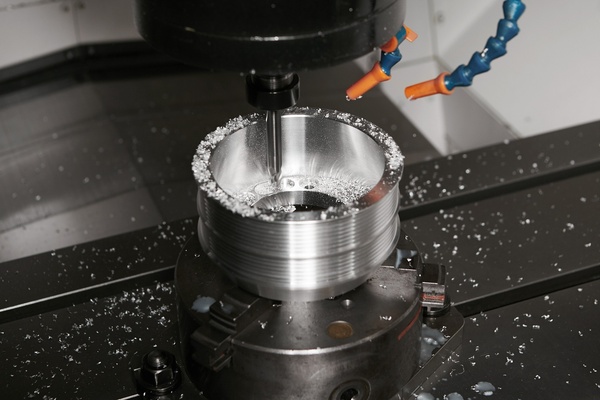
Locating Services: CNC milling and turning near me for Medical Parts
For device developers or OEMs searching for local capability, the term CNC milling and turning near me often comes into play. Whether you are in North America, Europe or Asia, finding a machine shop that understands medical requirements (tolerances, traceability, biocompatible materials, regulatory compliance) is critical. At Xstar, we provide global support with regional facilities, enabling you to engage a machining partner that responds quickly and understands the specialised field of medical CNC machining.
Summarising the Benefits and Future of Medical CNC Machining
To summarise, medical CNC machining offers:
-
Unmatched precision and repeatability for medical device production.
-
Ability to work with biocompatible materials and tight tolerances.
-
Support for prototyping, low-volume and full-volume production under appropriate quality systems.
-
Flexibility to handle complex geometries and advanced manufacturing techniques.
Looking ahead, the future of medical CNC machining promises even more: from patient-specific implants and bespoke devices to integration of additive manufacturing, IoT-enabled CNC machines and real-time process control. The sector is projected to grow significantly in the coming years. At Xstar, we are preparing our factories and technologies to meet this future demand, ensuring we stay at the forefront of CNC medical manufacturing.
If you are developing a new device or evaluating a manufacturing partner, consider these questions:
-
Can they prove their experience in medical precision machining?
-
Do they provide documentation for CNC machining medical parts and components?
-
Do they have the right machines for CNC machining medical components and examples of successfully delivered parts?
-
Do they support regional services so you can search “CNC milling and turning near me” and still get global manufacturing quality?
At Xstar, our promise is to deliver precision, compliance and speed—so you can bring your medical innovation to market with confidence.
We are a manufacturing-and-trading integrated company specializing in CNC machining services, focusing on contract CNC processing and the production of a wide range of metal components. Our machining capabilities include CNC machining aluminum profiles, CNC machining stainless steel, CNC machining magnesium alloys, CNC machining acrylic, CNC machining ABS, and CNC machining plastics, enabling us to handle diverse material requirements efficiently.
We also support precision part manufacturing across multiple industries, such as robotics machining, aerospace parts machining, automotive parts machining, and medical parts machining, meeting the CNC precision needs of most industrial applications.
Our CNC machining services are known for high accuracy, fast turnaround, stable quality, and excellent material compatibility. We offer a wide range of surface finishing processes, including sandblasting, hard anodizing, micro-arc oxidation, grinding, polishing, painting, black oxide, electroplating, vacuum plating, chemical plating, phosphating, passivation, silk printing, and textured finishes.
As a dedicated medical CNC machining manufacturer, we provide both small-batch and large-scale CNC production. If you are looking for reliable service options, our medical CNC machining solutions are available to support your projects. For cost details, you may visit our medical CNC machining price page or contact us directly.
This article is original, but some images or text may be from the internet. If there is anything inappropriate, please contact us for processing.
